
Human Trafficking Awareness Month Highlights a Complex and Growing Crime Across the ArkLaTex
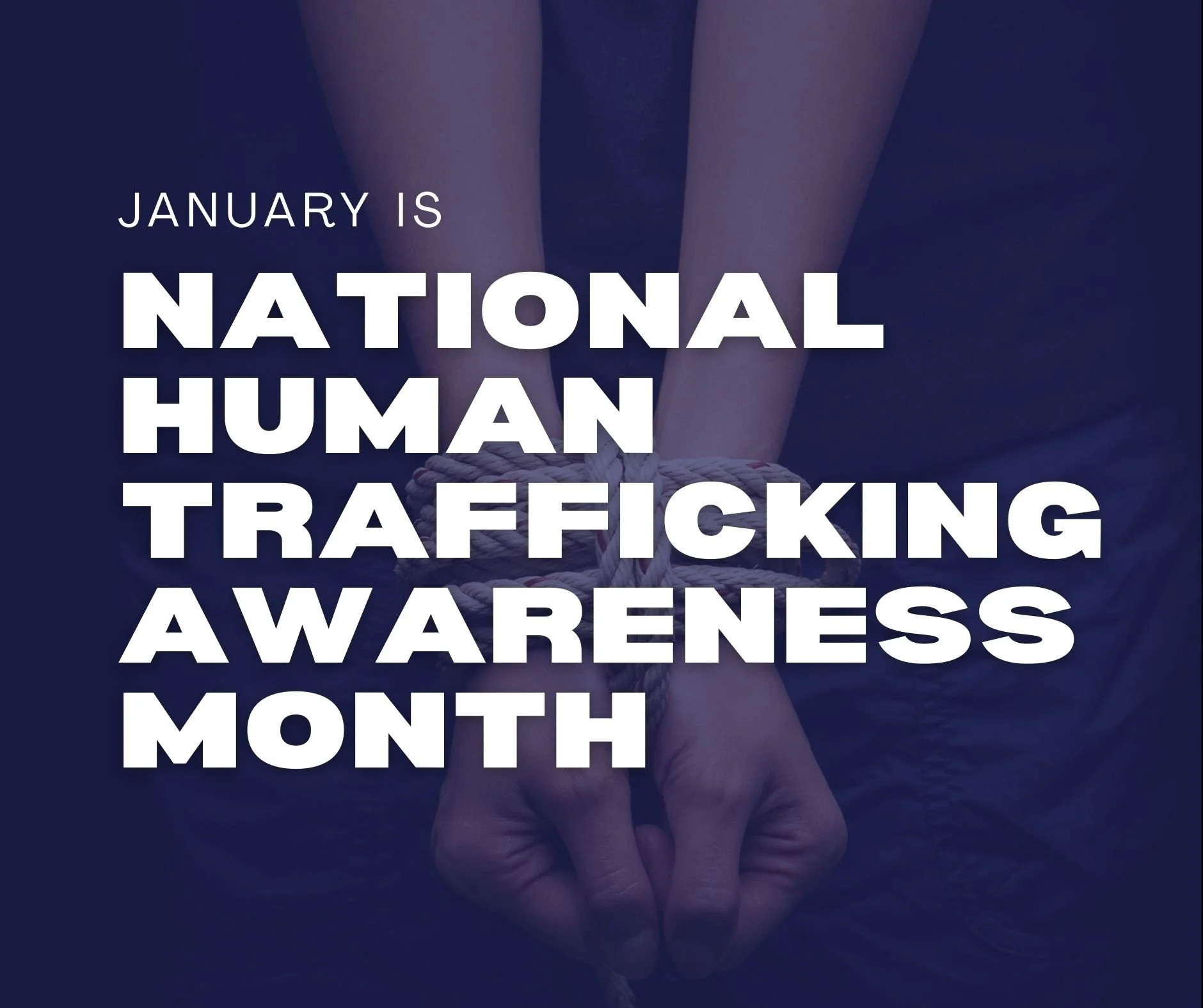
January is Human Trafficking Awareness Month, a time to focus on one of the fastest-growing criminal enterprises in Texas.
Kelley Crisp, a candidate for Bowie County District Attorney and a longtime prosecutor who currently serves as the county’s first assistant district attorney, said human trafficking is often misunderstood as something that happens elsewhere—not in communities like Bowie County.
“Trafficking thrives where it blends in,” Crisp said. “It doesn’t look dramatic at first. It looks like normal movement, normal travel, normal communication.”
Bowie County sits near major highway routes that connect East Texas to other parts of the state and surrounding regions. These routes support everyday travel and commerce, but traffickers also rely on them to move victims quietly and quickly.
“Traffickers go where movement looks normal,” said Kelley Crisp. “They rely on highways, short stays, and digital communication because those things don’t raise immediate red flags.”
Texas consistently ranks among the states with the highest number of reported human trafficking cases, and many involve minors. Others involve adults who were targeted because of financial stress, unstable housing, addiction or prior abuse.
“Most trafficking cases don’t start with force,” Crisp said. “They start with grooming. For example, someone offering help, money, affection, or work. Control comes later.”
As a chief felony prosecutor, Crisp has handled cases where victims were isolated, monitored, and threatened without ever being physically restrained.
“Trafficking is about control,” she said. “Taking someone’s ID. Controlling their money. Deciding where they go and who they talk to. That’s what we see again and again.”
Human trafficking cases often overlap with places and systems people encounter every day—hotels, private homes, social media, rides, and short-term work arrangements. Because of that, law enforcement relies heavily on public awareness.
“Community tips matter,” Crisp said. “Many investigations begin because someone noticed something that didn’t sit right and spoke up. If something feels off, trust that instinct. “You don’t have to be certain. That’s our job.”
What to do:
Do not confront suspected traffickers
Contact local law enforcement or the National Human Trafficking Hotline at 1-888-373-7888
If someone asks for help, listen and connect them with trained resources
In her role as first assistant district attorney for Bowie County, Crisp works with law enforcement agencies to investigate trafficking cases, prosecute offenders and support survivors through the legal process.
“Human trafficking cases are complex,” Crisp said. “Stopping traffickers takes experience, coordination with law enforcement, and a justice system that knows how to protect victims while holding offenders fully accountable.”
Human Trafficking - What to Know and How to Protect Yourself
What is human trafficking?
Human trafficking is the use of force, fraud, or coercion to exploit someone for labor or sex. Many cases begin with manipulation rather than violence.
What’s a common misconception about human trafficking?
Many people picture a random kidnapping. In reality, trafficking usually begins with grooming—building trust first, then using control and isolation to exploit the victim.
Who is most at risk?
Traffickers often target minors and people experiencing financial stress, housing instability, addiction, or prior abuse. Anyone can be targeted, but vulnerability increases risk.
How do trafficking situations usually start?
Many cases begin with offers of help, money, housing, travel, or work that move quickly and lack clear details. Traffickers often build trust before exerting control.
How can someone protect themselves?
Be cautious of rushed job or travel offers
Keep control of your ID, phone, and money
Be careful about online connections and meeting in private settings
Avoid sharing your location or plans with people you don’t know well
Trust discomfort or pressure to isolate—it’s often an early warning sign
Why do traffickers use highways and travel routes?
Major transportation routes allow movement to blend into normal travel. Traffickers use mobility to relocate victims quickly and avoid detection.
Where does trafficking typically occur?
Cases often involve hotels, private residences, online platforms, short-term work arrangements and transportation hubs.
What should I do if something feels wrong?
Do not confront anyone directly. Contact local law enforcement or the National Human Trafficking Hotline at 1-888-373-7888. Tips from the public are an important part of investigations.
How are victims helped once identified?
Law enforcement and prosecutors work with victim advocates to prioritize safety, provide access to services and pursue accountability against traffickers.
